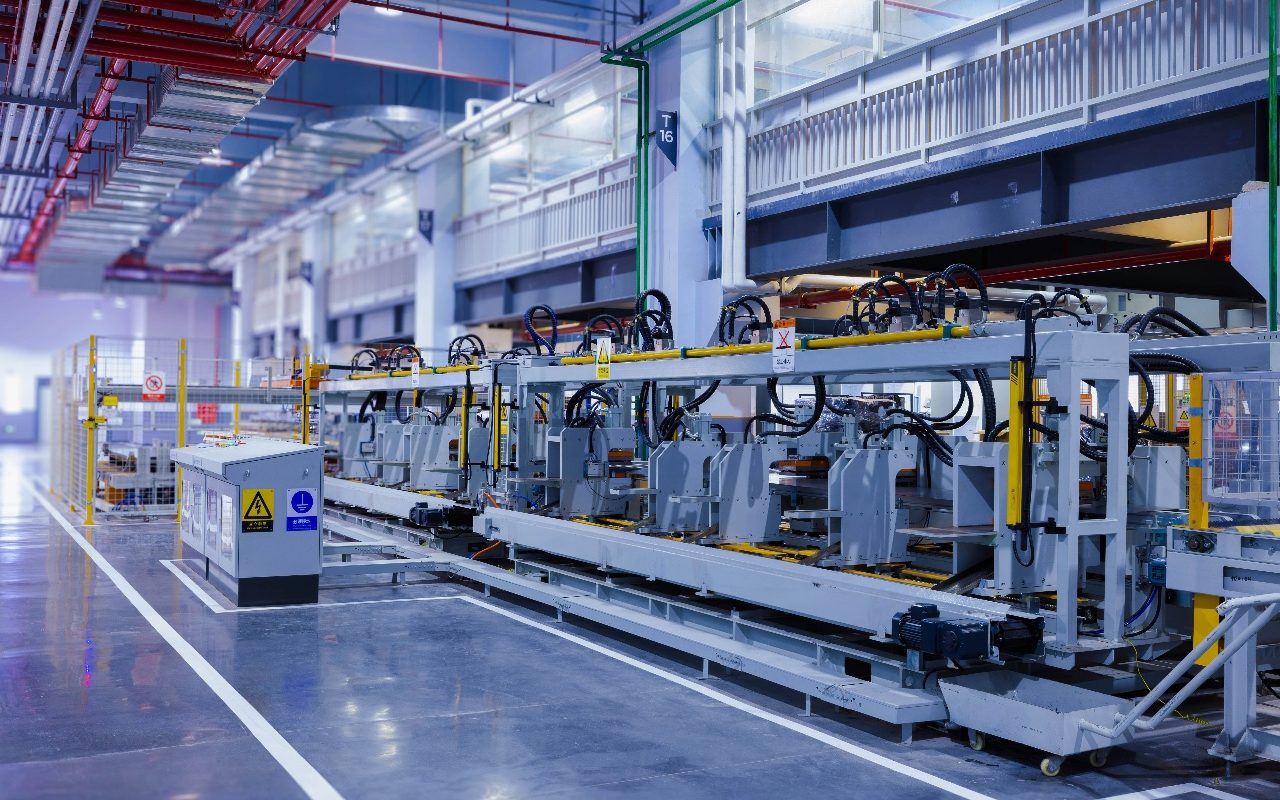
Why engineering expertise starts before installation?
Imagine preparing a new production line. The equipment has arrived, but the building, power supply, pipe connections, and support structures must work together. Engineering expertise turns separate technical drawings into a coordinated installation plan. Teams check available space, equipment weight, access routes, and the order of assembly before anyone lifts a component.
A small planning error can become expensive. A conveyor placed slightly off center may interfere with nearby machinery. A pipe routed without enough clearance can complicate future repairs. Early site surveys and accurate measurements protect the schedule and reduce surprises during installation.
Safety begins with clear responsibilities
Every industrial site carries risks. Welding produces heat and sparks. Lifting heavy steel requires controlled movement. Hydraulic systems can retain pressure after machinery stops. Before work begins, supervisors should define safe access, emergency procedures, and energy isolation (disconnecting power and releasing stored energy before maintenance). Clear instructions matter more than an impressive stack of paperwork.
Industrial projects depend on precision and teamwork
Complex installations involve mechanical specialists, welders, electricians, and project managers. Their work overlaps. A steel frame must support the planned load, while a production line needs accurate alignment to limit vibration and premature wear. Simple coordination meetings can prevent conflicting tasks and help you spot missing information before it delays the job.
What Iceland contributes to industrial thinking?
Icelandic contractors support manufacturing and construction sites where reliable equipment matters. On https://velvorn.is/, Vélvörn describes production line installation, steel fabrication, maintenance, and emergency support. The company shows how mechanical services connect construction projects with the daily demands of operating facilities.
Its service overview at https://velvorn.is/thjonusta/ includes steel fabrication, turning (shaping metal as it rotates), pipe fabrication, industrial installation, and structural work. These activities require different skills, yet share a common discipline: technicians must understand how each part fits the larger system. The same technical demands appear in industrial projects worldwide, although site rules and supply chains differ by region.
Small components deserve serious attention
Consider a worn hydraulic cylinder, a device that uses pressurized fluid to produce movement. Replacing a seal might restore operation, but technicians still need to inspect the rod, surface condition, and pressure rating. If replacement parts are unavailable, machining (shaping metal with precision tools) may provide a suitable component. Measurements and material selection determine whether that repair lasts.
Maintenance should shape the original design
A machine needs room for inspection, lubrication, and part replacement. Designers who ignore service access leave maintenance crews with avoidable obstacles. You can assess a proposed layout by asking a simple question: Can a technician safely reach the components most likely to wear out? Planning for maintenance supports steady production long after installation crews leave.